Unlocking the true gold coin worth isn't as simple as just weighing the metal. Many collectors and investors mistakenly stop at the gold content, missing out on substantial numismatic value that can make a coin worth exponentially more. The trick lies in understanding the complex interplay between a coin's intrinsic metal value and its unique historical and market appeal.
At a Glance: Deciphering Gold Coin Worth
- Dual Value: Learn to differentiate between a gold coin's "melt value" (its inherent gold content) and its "numismatic value" (its worth as a collectible).
- Market Sensitivity: Recognize that gold prices fluctuate daily, directly impacting melt value, while numismatic values respond to different market dynamics.
- Condition is Key: Understand how a coin's preservation, lack of cleaning, and absence of damage profoundly influence its market worth.
- Rarity Matters: Identify the role of mintage figures, specific dates, and mint marks in determining a coin's collectible premium.
- Practical Steps: Follow a clear process to research, assess, and estimate your gold coin's potential worth, from initial identification to professional appraisal.
- Dealer vs. Retail: Grasp the difference between the retail prices you see online and what a dealer might offer you.
The Two Pillars of Gold Coin Worth: Intrinsic vs. Collectible
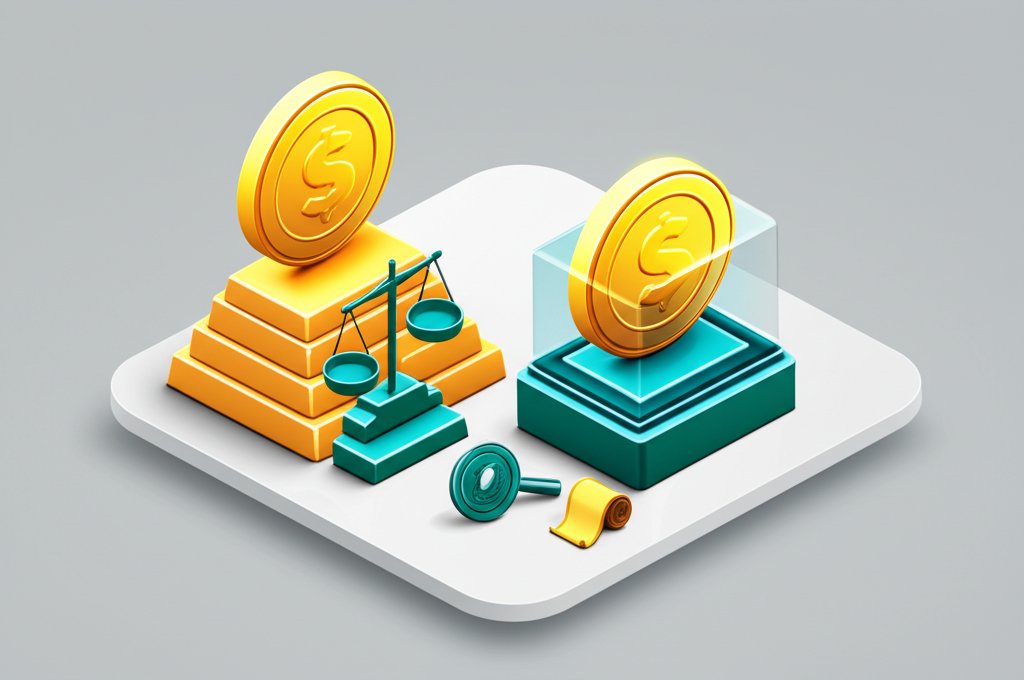
When you hold a gold coin, you're looking at two distinct layers of value, each influenced by different forces. The first is its intrinsic or "melt value," which is directly tied to the current spot price of gold. This is the baseline: the minimum a coin is worth if it were to be melted down for its metal content. The USACoinBook, for example, highlights how rising gold prices make this intrinsic value crucial for investors.
However, many gold coins possess a second, often far greater, layer of worth: their numismatic or collectible value. This premium above the melt value is determined by factors like rarity, historical significance, condition, and collector demand. Think of it this way: a gold bar has only melt value, but a rare gold coin, even if it contains the same amount of gold, can fetch a much higher price because of its story and scarcity.
Calculating the Melt Value: Your Fundamental Floor
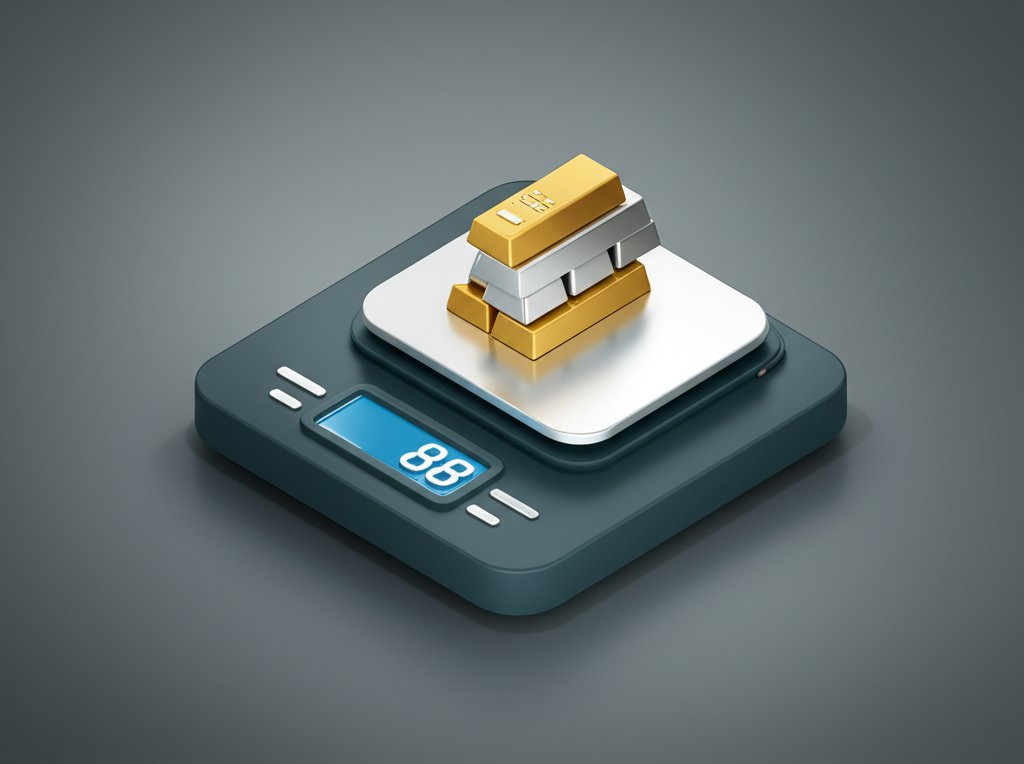
The melt value is the easiest part of determining your gold coin worth, serving as a reliable floor. It represents the value of the pure gold contained within the coin. To calculate it accurately, you need three pieces of information:
- The Coin's Fine Gold Content: This refers to the actual weight of pure gold in the coin, excluding any alloy metals like copper. For US gold coins, resources like USACoinBook provide precise metal content and weight for every legal tender gold coin ever made. For instance, a common American Gold Eagle contains exactly one troy ounce of pure gold.
- The Gold Spot Price: This is the current market price for one troy ounce of pure gold, which fluctuates second-by-second during trading hours. Websites like CoinValues.com emphasize how market volatility causes daily changes in gold prices, affecting melt values significantly.
- A Simple Calculation: Multiply the coin's fine gold content (in troy ounces) by the current gold spot price (per troy ounce).
- Example: If your coin contains 0.5 troy ounces of pure gold and the gold spot price is $2,000 per troy ounce, its melt value is $1,000.
This melt value calculation provides a crucial starting point. If a coin's numismatic value isn't significantly higher, its worth will primarily hover around this intrinsic metal price.
Beyond the Melt: Unlocking Numismatic Gold Coin Worth
While melt value sets the baseline, the true gold coin worth often lies in its numismatic appeal. This is where historical context, collector demand, and the coin's physical characteristics converge. CoinValues.com notes that their pricing algorithm accounts for "most common circulated specimens" but emphasizes that "rare dates or in uncirculated condition they could be, and probably are, worth considerably more."
The Power of Preservation: Condition, Cleaning, and Damage
A coin's condition is arguably the single most important factor after rarity in determining its numismatic worth. Coins are graded on a scale, often from Poor (P-1) to Perfect Uncirculated (MS-70), with each step significantly impacting value.
- Uncirculated Condition: Coins that have never been used in commerce and retain their original mint luster command the highest premiums.
- Circulated Condition: Even for circulated coins, the amount of wear, sharpness of details, and absence of distracting marks play a huge role. CoinValues.com specifically states that their listed numismatic values are for "specimens that are uncleaned and undamaged."
- The Cleaning Catastrophe: Never clean a gold coin. What seems like an attempt to restore shine is often perceived as damage by collectors, drastically reducing its value. Cleaning removes the original patina and can leave microscopic scratches that are irreversible. A cleaned or altered gold coin is almost always worth less than its uncleaned counterpart, even if visually appealing to the untrained eye.
- Damage: Nicks, scratches, dents, or signs of having been mounted in jewelry (e.g., a "holed" coin) significantly diminish value. Even small imperfections can knock a coin down several grades.
Rarity and Date/Mint Mark: The Scarcity Premium
Rarity is a direct driver of numismatic value. A coin might be rare due to:
- Low Mintage: Fewer coins produced initially.
- Survival Rate: Many coins were melted down, lost, or damaged over time, leaving fewer examples surviving.
- Specific Dates/Mint Marks: Even within a series, certain years or mints produced fewer coins, making them key dates. For instance, the 1894-S Barber Dime (though silver, it illustrates the point) is incredibly rare despite its modest denomination. Gold coins like specific Liberty Head or St. Gaudens Double Eagles with low mintages or specific mint marks can command astronomical prices. CoinValues.com provides "year-by-year breakdown" for this very reason.
A slightly worn common-date coin might only be worth its melt value, while a rare-date coin in similar condition could be worth thousands more due to its scarcity.
Demand and Market Trends: The Collector's Pulse
Beyond intrinsic factors, collector demand plays a vital role. What's popular today might cool off tomorrow, though demand for classic US gold coins tends to be consistently strong. Economic conditions, investor sentiment, and even major auction results can influence prices. CoinValues.com points out that market volatility and economic fluctuations "continually affect what people are paying for gold." For example, a 3% change in gold prices might mean a $100 swing for a high-value coin like the St. Gaudens double eagle.
Your Practical Playbook for Determining Gold Coin Worth
Ready to assess your own gold coin? Here's a structured approach:
Step 1: Identify Your Coin Accurately
- Type: What series is it from? (e.g., Liberty Head Double Eagle, Indian Head Half Eagle, American Gold Eagle).
- Date: The year of mintage is critical.
- Mint Mark: Look for a small letter (e.g., 'S' for San Francisco, 'D' for Denver, 'O' for New Orleans, 'CC' for Carson City) usually found on the reverse side. If there's no mint mark, it's typically from Philadelphia.
Step 2: Determine its Gold Content
- Once identified, research its exact fine gold content (e.g., 0.9675 troy oz for a pre-1933 Double Eagle, 1 troy oz for a 1 oz American Gold Eagle). Reliable sources like USACoinBook are invaluable here.
Step 3: Calculate the Current Melt Value
- Check a live gold spot price source (e.g., kitco.com, coinvalues.com's calculator).
- Multiply the fine gold content by the current spot price. This gives you your baseline gold coin worth.
Step 4: Assess the Coin's Condition (Crucially, Do NOT Clean!)
- Visual Inspection: Use a magnifying glass (not your bare fingers) and good lighting. Look for wear on high points, scratches, nicks, dents, and any signs of cleaning (e.g., unnatural shine, hairlines, altered patina).
- Originality: Look for original mint luster. Even a slightly circulated coin that retains some original luster is usually more valuable than one that has been harshly cleaned.
- Compare to Graded Examples: Search online for images of coins of the same type, date, and mint mark, graded at various levels (e.g., Fine, EF, AU, MS). This helps you compare and estimate your coin's condition.
Step 5: Research Numismatic Value
- Coin Catalogs & Price Guides: Consult reputable numismatic resources. These often list values for various grades.
- Online Databases: Sites like CoinValues.com offer year-by-year breakdowns and estimated market values for common circulated specimens. Remember these are retail estimates for uncleaned coins.
- Auction Results: For rare or high-grade coins, recent auction results can provide the most accurate picture of current market demand.
Step 6: Consider Professional Appraisal for High-Value Pieces
- If your coin appears to be rare, in exceptional condition, or has significant historical importance, seeking an expert opinion is prudent. Professional appraisers (numismatists) can accurately grade your coin and provide a more precise valuation. They have the expertise to spot subtle nuances that vastly impact gold coin worth.
- Third-party grading services (like PCGS or NGC) can encapsulate your coin in a tamper-proof holder with a numerical grade, which generally increases market liquidity and buyer confidence.
For a broader understanding of gold coin classifications, investment potential, and the full ecosystem of precious metals, you might find it helpful to explore the comprehensive guide: Discover your coin's true worth.
Quick Answers: Common Questions About Gold Coin Worth
Is a cleaned gold coin worth more?
Absolutely not. Cleaning a gold coin, no matter how carefully done, is almost universally considered damage by numismatists and collectors. It removes original patina and can leave abrasive marks, significantly decreasing its numismatic value. An uncleaned, naturally toned coin, even if somewhat dull, will almost always fetch more.
How often do gold coin values change?
The melt value of a gold coin changes daily, even by the minute, as the global spot price of gold fluctuates. Numismatic values for rare or high-grade coins can also shift based on auction results, collector demand, and overall economic conditions, though usually not as frequently or dramatically as the spot price.
What's the difference between a dealer's offer and the retail value I see online?
Online price guides and retail listings generally reflect what a buyer might pay a dealer for a coin. A dealer's offer to buy your coin will almost always be less than this retail price. This difference covers their overhead, profit margin, and the risk they take in holding inventory. The specific offer depends on their current inventory needs, your coin's condition, and the prevailing market.
Do all gold coins have numismatic value?
No. Many modern gold bullion coins (e.g., American Gold Eagles, Canadian Gold Maples) are primarily valued for their gold content, with little to no numismatic premium unless they are rare proof issues or have specific, low-mintage variants. Pre-1933 US gold coins and ancient or foreign gold coins are more likely to have significant numismatic value.
Can I determine the gold purity of my coin at home?
Not reliably. While you can estimate the fine gold content if you know the coin's type and total weight, accurately determining purity (e.g., 22K vs. 24K) without professional equipment is difficult and risking damage through home testing is unwise. Always rely on documented specifications for known coins or professional assaying for unknown pieces.
Taking Action: Your Gold Coin Worth Checklist
Understanding your gold coin worth is a journey of careful observation and informed research. It's about respecting both the precious metal and the history it embodies.
- Identify Accurately: Pinpoint the coin's type, date, and mint mark.
- Calculate Melt Value: Determine its gold content and multiply by the current spot price. This is your minimum value.
- Assess Condition, Uncleaned: Scrutinize your coin for wear and damage, making sure it has never been cleaned.
- Research Numismatic Value: Consult price guides, online databases, and auction results for comparable coins in similar condition.
- Seek Expert Opinion: For valuable or uncertain coins, invest in a professional appraisal or consider third-party grading.
By following these steps, you'll move beyond just guessing and gain a truly accurate understanding of your gold coin's market value, whether it's primarily for its precious metal or its irreplaceable historical significance.