
You've just unearthed an old box of silverware, or perhaps a decorative bowl, stamped with "Sterling" or ".925." Immediately, a question sparks: "What's this truly worth?" Understanding the sterling melt value is your first, most practical step to answering that. It's the intrinsic value of the silver itself, a foundational figure that tells you the absolute minimum your item is worth, regardless of its history or craftsmanship.
At a Glance: What You'll Discover
- The Core Definition: Understand what "sterling melt value" truly means and why it's different from collectible value.
- Simple Identification: Learn to spot genuine sterling silver markings quickly.
- Your Personal Calculator: Grasp the straightforward formula to calculate melt value based on current silver prices.
- Beyond the Melt: Recognize when your sterling silver might be worth significantly more than its pure metal content.
- Smart Selling: Arm yourself with practical steps for appraisal and comparing offers to maximize your return.
Demystifying Sterling Melt Value: Your Baseline Worth
When we talk about sterling melt value, we're referring to the worth of an item purely based on its silver content, calculated at the current market "spot price" of silver. Think of it as the raw material value – what a refiner would pay if they were to melt the item down.
Sterling silver is an alloy, typically 92.5% pure silver and 7.5% other metals (usually copper). This specific ratio makes it more durable than pure silver, which is too soft for most functional items. That 92.5% purity is crucial for our calculations, as it sets the percentage of actual silver weight in your item.
The melt value serves as a critical baseline. It's your safety net, the minimum you should expect if you're selling to a buyer interested only in the metal. However, as we'll explore, many factors can push an item's value far beyond this floor.
Identifying Your Sterling Silver: The Stamp Test
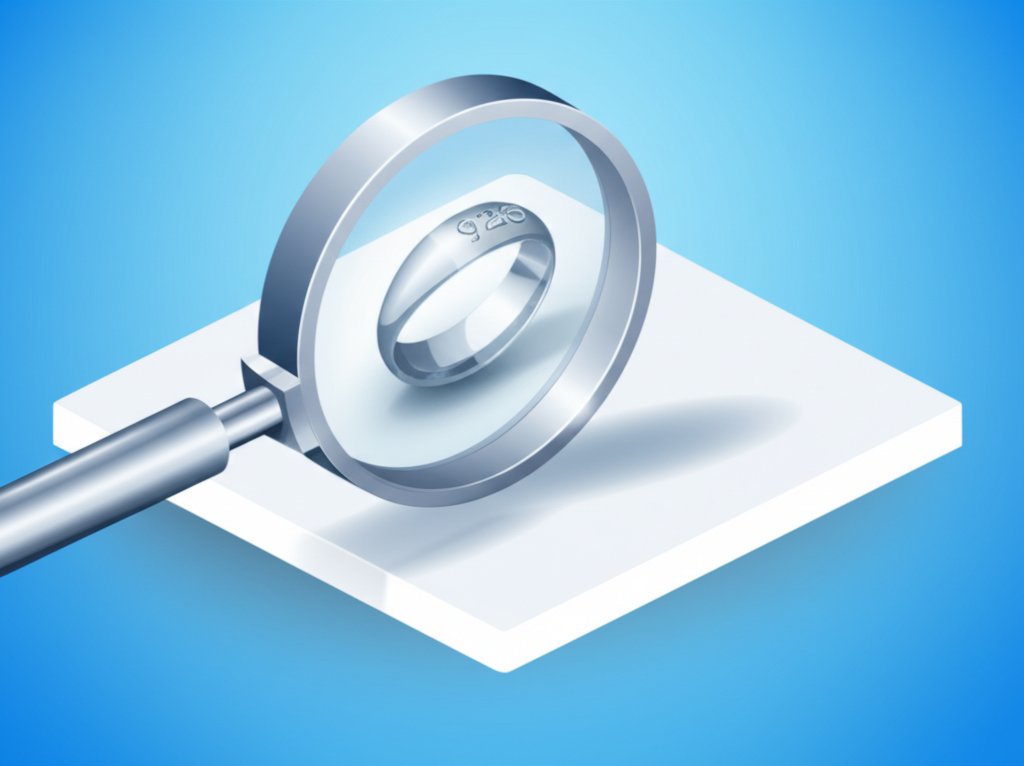
Before you can even think about calculating melt value, you need to confirm you actually have sterling silver. This isn't just a hunch; it's about looking for specific, often tiny, markings.
The Tell-Tale Stamps
The most reliable way to identify sterling silver is by looking for specific hallmarks or stamps, usually found on an inconspicuous part of the item, like the back of a spoon, the underside of a bowl, or near a clasp on jewelry.
Common markings include:
- "Sterling": The clearest indicator.
- ".925": Denotes 925 parts per thousand pure silver, meaning 92.5%.
- "925/1000": Another way to express 92.5% purity.
- "Ster" or "Sterling Silver": Sometimes seen in full.
It's also worth noting that some European sterling silver, particularly from countries like Germany or Austria, might be stamped with "800" (indicating 80% silver) or "835" (83.5% silver). While not sterling silver in the traditional 92.5% sense, these items still have significant silver content and a melt value. However, for true sterling melt value, we're looking for the .925 purity.
When Stamps Are Missing or Faded
Sometimes, stamps are missing, worn away by time, or simply never applied (especially with very old or handmade items). In these cases, you'll need professional assistance to confirm the silver content:
- Acid Testing: A small, inconspicuous scratch is made, and a drop of acid is applied. The reaction (or lack thereof) indicates silver purity. This is a destructive test, however minor.
- Electronic Testers: These devices use electrical conductivity to assess metal composition and are non-destructive.
- X-Ray Fluorescence (XRF) Scanning: The most accurate and non-destructive method, XRF scanning provides a detailed breakdown of an item's elemental composition. Jewelers and precious metal dealers often have these.
Quick Check: If an item looks like silver but has no stamp, and a magnet sticks to it, it's likely plated or another base metal, not sterling silver. Silver is non-magnetic.
Your Personal Sterling Melt Value Calculator: The Simple Math
Once you've confirmed your item is sterling silver, calculating its melt value is surprisingly straightforward. It boils down to a single formula.
The Core Formula
The formula for sterling melt value is:Item Weight (in Troy Ounces) × Purity Percentage (0.925) × Current Silver Spot Price (per Troy Ounce)
Let's break down each component:
- Item Weight: You'll need an accurate scale. Jewelers' scales are ideal, but a good kitchen scale that measures in grams can work, as long as you convert to troy ounces later.
- Crucial Conversion: The silver spot price is almost universally quoted in troy ounces. A standard avoirdupois ounce (what you usually weigh food with) is NOT the same as a troy ounce.
- 1 troy ounce ≈ 31.1035 grams
- 1 avoirdupois ounce ≈ 28.3495 grams
- 1 pound (avoirdupois) ≈ 14.5833 troy ounces
- Purity Percentage: For sterling silver, this is always 0.925 (for 92.5%). If you have European silver marked "800" or "835," you'd use 0.800 or 0.835 respectively.
- Current Silver Spot Price: This is the real-time market price of one troy ounce of pure (99.9%) silver. You can find this on financial news sites, precious metal dealer websites, or apps. This price fluctuates throughout the day, so check it right before you calculate.
Step-by-Step Calculation Example
Let's say you have a sterling silver pitcher weighing 500 grams, and the current silver spot price is $25.00 per troy ounce.
Step 1: Convert grams to troy ounces.
500 grams / 31.1035 grams/troy ounce ≈ 16.07 troy ounces
Step 2: Apply the purity percentage.
16.07 troy ounces × 0.925 (for sterling) = 14.86 troy ounces of pure silver content
Step 3: Multiply by the current spot price.
14.86 troy ounces × $25.00/troy ounce = $371.50
So, the sterling melt value of your pitcher is approximately $371.50. This is the amount of pure silver your item contains, valued at the current market rate.
Pro Tip: For larger quantities, or if you're evaluating a bulk collection, understanding conversions becomes even more vital. For example, if you're trying to figure out the value of a larger quantity of silver, perhaps 20 pounds, the same principles apply. You'd convert the total weight to troy ounces, then apply the purity percentage and spot price. For a deeper dive into such calculations, you might want to look at how to Calculate 20 lbs silver worth more broadly.
Beyond the Calculator: When Melt Value Isn't Enough
While the sterling melt value provides a solid foundation, it's crucial to understand that many sterling silver items are worth significantly more than their silver content alone. This "premium" comes from factors like craftsmanship, historical significance, brand recognition, and rarity. Never assume melt value is the final word, especially if your item has any age or notable features.
The Intrinsic vs. Collectible Divide
- Intrinsic Value: This is our sterling melt value – the metal's worth.
- Collectible Value (or Numismatic/Antiquarian Value): This is the value driven by desirability among collectors, often influenced by the factors below.
Key Factors Boosting Value Beyond Melt
- Craftsmanship and Design:
- Master Silversmiths: Items by renowned artisans like Paul Storr, Mappin & Webb, or Hester Bateman can fetch astronomical prices. Their unique techniques, intricate details, and historical importance make their pieces highly coveted.
- Ornate vs. Simple: Highly decorative, hand-chased, or repoussé pieces often command more than simple, mass-produced designs.
- Brand and Maker:
- Luxury Houses: Iconic brands like Tiffany & Co., Gorham, Reed & Barton, Rosenthal, R. Wallace, Steiff, and Towle have established reputations that add considerable value. Their quality and design pedigree are highly sought after.
- Hallmarks: Beyond the "sterling" mark, look for the maker's mark (a symbol or initials) which can help identify valuable pieces.
- Rarity and Age:
- Limited Production: Items made in small batches or for specific events are rarer and thus more valuable.
- Antiquity: Very old pieces, especially those in good condition, often carry a significant premium due to their historical context.
- Condition:
- Original State: While melt value isn't affected by tarnish or minor dents, collectible value is. Pristine condition with original patina (if appropriate) will fetch the highest prices. Extensive damage, repairs, or missing parts can diminish collectible value significantly.
- Completeness of Sets:
- Full Dinner Sets: A complete sterling silver flatware set (especially for 12 or more people) is far more valuable than individual pieces. Collectors often pay a premium for matching sets.
- Specialty Pieces: Even individual items like a rare serving spoon, a specific type of fork, or an unusual bowl can be highly collectible if they complete a set or are particularly rare. Sought-after patterns include Grand Baroque (Wallace), Repousse (Kirk-Steiff), Francis I (Reed & Barton), Eloquence Sterling (Lunt), and King Richard (Towle).
Case Snippet: The Tiffany & Co. Serving Spoon
Imagine you have a single sterling silver serving spoon.
- Scenario A: It's a plain, unmarked spoon, clearly .925 sterling. Its value is likely its sterling melt value, say $30 based on current spot prices and weight.
- Scenario B: It's a Tiffany & Co. serving spoon, in a rare pattern, from the late 19th century, in excellent condition. Its sterling melt value might still be $30. However, its collectible value could easily be $150–$300 (or more), due to the brand, age, and design. A buyer might be willing to pay this premium to add it to their collection or complete a set.
This highlights why due diligence is key. Always consider the potential for collectible value before settling for just the melt price.
Preparing for Sale: Your Practical Playbook
You've identified your sterling, calculated its melt value, and now you're weighing its potential collectible value. What's next? A strategic approach ensures you get the best possible return.
1. Get a Professional Appraisal
This is perhaps the most critical step if you suspect your item has value beyond its melt price. An experienced appraiser can:
- Identify Maker & Age: Pinpoint the specific silversmith, period, and often the exact pattern.
- Assess Condition: Provide an expert opinion on the item's state.
- Determine Market Value: Offer an informed estimate of what the item would sell for in the current market, factoring in all collectible aspects.
What to Bring: Any original purchase documentation, certificates of authenticity, or even old family photos showing the item can help an appraiser determine its true market worth.
2. Understand Your Market: Different Buyers, Different Values
Not all buyers are looking for the same thing.
- Scrap Dealers/Refiners: These buyers are primarily interested in the sterling melt value. They'll weigh your item, calculate the silver content, and offer you a percentage of the current spot price. This is often the quickest way to sell, but rarely the most profitable for collectible pieces.
- Antique Dealers/Specialists: These buyers understand the nuances of craftsmanship, brand, and historical significance. They will often pay a premium well above melt value for desirable pieces.
- Collectors: The most discerning buyers, collectors are looking for specific items to complete sets, add to their collections, or for their unique aesthetic appeal. They are often willing to pay the highest premiums.
- Online Marketplaces (eBay, Etsy): These platforms allow you to reach a wide audience of collectors, but require good photography, detailed descriptions, and knowledge of shipping/insurance. Researching similar sold items is key to pricing. Always check buyer reviews and seller protection policies.
The Crucial Comparison: Always compare offers. If you only approach a scrap dealer, you'll likely leave money on the table if your item has significant collectible value.
3. Document and Photograph
If you're selling online or seeking multiple appraisals, clear, well-lit photographs from various angles are essential. Capture hallmarks, unique design elements, and any flaws. A detailed description that includes weight, dimensions, and any known history will attract serious buyers.
Quick Answers: Common Questions About Sterling Silver
Here are rapid-fire answers to frequent inquiries about sterling melt value and related topics.
Does tarnish affect sterling melt value?
No. Tarnish (oxidation) is a surface-level chemical reaction and does not change the amount of pure silver present in an item. It might reduce collectible appeal if excessive, but not the melt value.
Can I calculate melt value for silver-plated items?
No. Silver-plated items have an extremely thin layer of silver over a base metal. The amount of silver is negligible and not worth calculating for melt value. Look for stamps like "EPNS" (Electro-Plated Nickel Silver) or "Silver Plate" to identify these.
What's the difference between .925 and .999 silver for melt value?
.999 silver is virtually 100% pure silver, often called "fine silver." Its melt value calculation would use a purity factor of 0.999. .925 sterling silver is 92.5% pure, so its melt value calculation uses a purity factor of 0.925. This means .999 silver will have a higher melt value per unit of weight than .925 sterling silver, all else being equal.
Does the condition of sterling silver affect its melt value?
Generally, no. Melt value is purely about the weight of the metal. A severely dented or broken sterling silver item will have the same melt value as a pristine one of the same weight, as long as the silver content is intact. However, condition significantly impacts collectible or aesthetic value.
Is sterling silver magnetic?
No. Pure silver and sterling silver are non-magnetic. If a strong magnet sticks to your item, it's likely made of a base metal and is probably only silver-plated, if it contains any silver at all.
Your Path Forward: Make an Informed Decision
Understanding the sterling melt value of your items is empowering. It gives you a non-negotiable floor for negotiations and a concrete starting point for evaluating your options.
Here's your actionable summary:
- Identify: Confirm your item is sterling silver by checking for "Sterling," ".925," or "925/1000" marks. If in doubt, seek professional testing.
- Weigh: Accurately weigh your item in grams and convert to troy ounces.
- Calculate Melt Value: Use the formula:
Troy Ounces × 0.925 × Current Silver Spot Price. This is your baseline. - Assess Collectible Potential: Research your item's maker, age, design, and condition. Does it belong to a desirable brand, a famous silversmith, or a sought-after pattern?
- Seek Appraisals: If there's any chance of collectible value, get a professional appraisal to understand its true market worth.
- Compare Offers: Get quotes from both scrap dealers (for melt value) and antique dealers or collectors (for collectible value) to ensure you're getting the best price.
By following these steps, you move beyond mere guesswork. You transform a dusty heirloom or forgotten find into a concrete asset, ensuring you receive its true worth, whether as a valuable collectible or for its solid sterling melt value.