
For many investors, the name "Ripple" conjures images of a groundbreaking company and its associated cryptocurrency, XRP, both poised to reshape global finance. The question that often follows is: "How do I buy stocks for Ripple?" It's a question that, surprisingly, has a nuanced answer, because what many people mean by "Ripple stock" isn't quite what's available today.
Unlike publicly traded companies whose shares you can buy on a stock exchange, investing in Ripple Labs, Inc. — the company behind the technology — is currently a different beast entirely. And then there's XRP, the digital asset, which is an investment in its own right, but distinct from ownership in the company. Let's untangle your options, potential pitfalls, and what to keep an eye on.
Ripple Labs & XRP: An Investor's Primer at a Glance
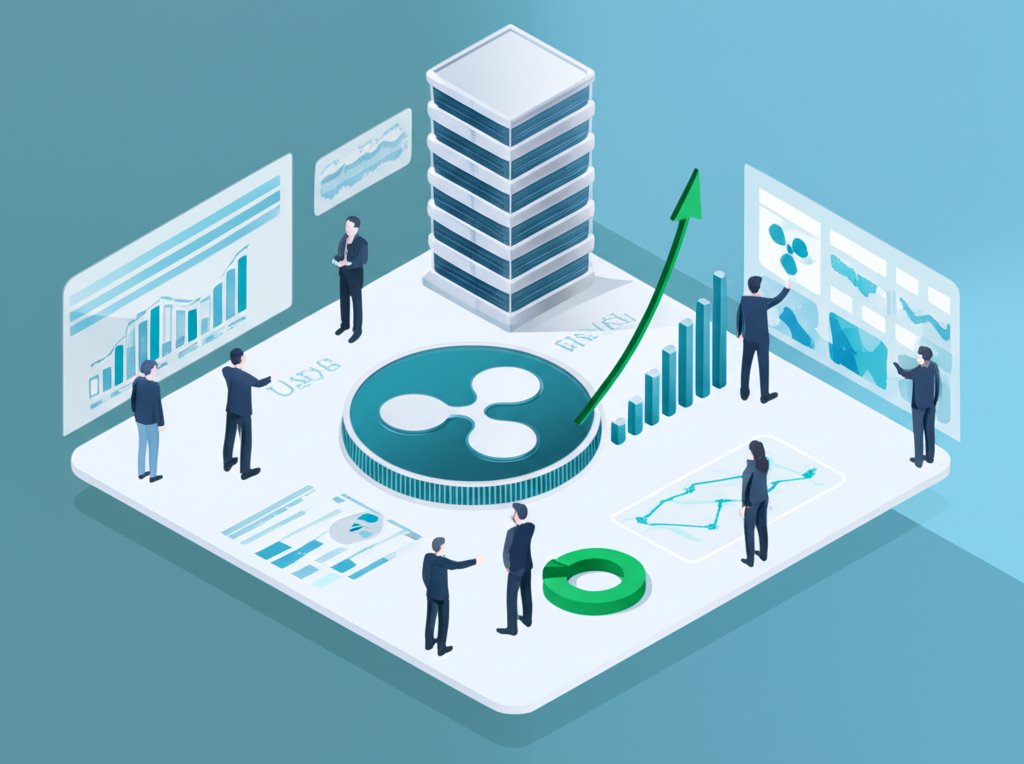
Navigating the world of Ripple can be a bit like solving a puzzle, especially with its ongoing legal battles. Here’s a quick overview to set the stage:
- Ripple Labs (the company): A private entity. You cannot buy its stock on public exchanges right now.
- XRP (the cryptocurrency): A digital asset designed for fast, low-cost global payments. You can buy this today, but it's not company stock.
- Accredited Investors: If you meet specific wealth criteria, you might be able to buy private shares of Ripple Labs on secondary markets.
- Retail Investors: Your direct route to Ripple Labs stock is currently blocked. Your main option for "Ripple" exposure is through XRP or by waiting for a potential IPO.
- The SEC Lawsuit: This legal cloud has significantly delayed Ripple Labs' plans for a public stock offering and impacted XRP's availability in the U.S.
Untangling the "Ripple Stock" Conundrum: Company vs. Cryptocurrency

Before we delve into investment avenues, it’s critical to distinguish between Ripple Labs, the private company, and XRP, the cryptocurrency it helped create. Confusing the two is a common misconception that can lead to misdirected investment efforts.
What Exactly is Ripple Labs?
Ripple Labs is a financial technology company dedicated to building a faster, more transparent, and more cost-effective global payment system. Think of it as a modern alternative to traditional, slower methods like SWIFT, which banks use for international money transfers. By leveraging blockchain technology, Ripple Labs offers a suite of solutions aimed at financial institutions, facilitating real-time transactions at a fraction of the traditional cost. They're behind the development of the XRP Ledger and the digital asset XRP, but their business extends beyond just the cryptocurrency.
What is XRP?
XRP is the native digital asset of the XRP Ledger, a decentralized blockchain created in 2012. Its primary function is to act as a "bridge currency." Imagine a bank needing to send money from USD to Euros. Traditionally, this might involve multiple intermediaries and currency conversions, adding time and cost. XRP can step in, converting USD to XRP, sending XRP across the ledger instantly, and then converting XRP to Euros, all at high speed and low transaction fees. It's built for global payments, with additional applications emerging in decentralized finance (DeFi) and tokenization.
Crucial Difference: An investment in XRP is an investment in a digital asset whose value fluctuates based on market demand, utility, and broader cryptocurrency trends. It does not give you ownership or equity in Ripple Labs the company. Think of it like buying gold (an asset) versus buying stock in a gold mining company. They're related, but fundamentally different.
The Shadow of the SEC: A Legal Battle's Impact on Investment
You can't discuss Ripple Labs or XRP without addressing the elephant in the room: the multi-year legal battle between Ripple Labs and the U.S. Securities and Exchange Commission (SEC). This lawsuit, initiated in December 2020, has cast a long shadow over both the company's prospects and XRP's market.
The SEC alleged that Ripple Labs and its executives conducted an unregistered securities offering through the sale of XRP. While Ripple secured a partial victory in July 2023, with the court ruling that XRP sales to retail investors on exchanges were not unregistered securities, the case has continued to evolve, most recently with Ripple being ordered to pay a penalty.
Why this matters for investors:
- IPO Delay: The lawsuit has directly derailed Ripple Labs' plans to go public. CEO Brad Garlinghouse mentioned an IPO as far back as 2020, but the SEC action put those ambitions on hold.
- XRP Availability: In the wake of the lawsuit, several U.S.-based cryptocurrency exchanges, most notably Coinbase, delisted XRP to avoid potential legal repercussions. This significantly impacted XRP's liquidity and accessibility for U.S. retail investors.
- Future Outlook: Some crypto analysts are now optimistic that, with changes in leadership at the SEC and a more crypto-friendly political climate, the case might eventually be dropped or resolved favorably. If this occurs, it would clear a major hurdle for Ripple Labs to pursue an IPO.
Understanding the nuances of this legal battle is crucial for anyone interested in Ripple Labs stock insights or the future of XRP. It's a dynamic situation that directly influences investment timelines and accessibility.
Investing in Ripple Labs (The Company) Today: An Exclusive Path
So, if you can't buy Ripple Labs stock on the NYSE or Nasdaq, how do people invest in the company? The answer depends heavily on your investor status.
For the Accredited Investor: Navigating the Private Market
If you're an accredited investor, you have a unique, albeit exclusive, opportunity to buy shares of private companies like Ripple Labs before they go public.
Who Qualifies as an Accredited Investor?
To meet the SEC's criteria for an accredited investor, you generally need to satisfy one of the following financial benchmarks:
- Income: An annual income of $200,000 as an individual, or $300,000 as a married couple, for the two most recent years, with an expectation of the same or higher income in the current year.
- Net Worth: A net worth exceeding $1,000,000, either alone or with a spouse, excluding the value of your primary residence.
How to Buy Shares on the Secondary Market:
Accredited investors can access private company shares through specialized secondary marketplaces. Platforms like Hiive are designed for this purpose, allowing qualified individuals to purchase shares directly from existing shareholders. These sellers might include: - Early employees
- Venture Capital (VC) firms
- Hedge funds
- Angel investors
On platforms such as Hiive, you'll find live orders for Ripple Labs, making it one of the most actively traded private companies there. You can either accept a seller's listed asking price or place bids and negotiate. These marketplaces also allow you to add companies to a watchlist, ensuring you're notified of new listings or transactions.
This avenue offers a way to get exposure to Ripple Labs' growth as a company, but it's important to remember that private market investments come with their own set of risks, including illiquidity and less public transparency.
For Retail Investors: The Current Reality
For the vast majority of individual investors—those who don't meet the accredited investor criteria—there is currently no direct way to invest in Ripple Labs (the company) through buying its stock.
This can be frustrating, especially with the buzz around Ripple's technology and potential. However, it's a fundamental aspect of private company investing. Your best bet, if your primary interest is in gaining equity ownership of Ripple Labs, is to patiently wait for the company's eventual Initial Public Offering (IPO).
The Anticipated Ripple Labs IPO: When Will It Happen?
The prospect of a Ripple Labs IPO has been a topic of much speculation and excitement for years. While CEO Brad Garlinghouse indeed spoke of an IPO back in 2020, the SEC lawsuit effectively put those plans on indefinite hold.
Current Projections:
Based on current industry chatter and the company's situation, it's widely believed that a Ripple Labs IPO is unlikely to occur before the end of 2025 or early 2026. This timeline is contingent on a favorable resolution of the SEC lawsuit and broader market conditions being conducive to new public offerings.
What to Expect When it Does Go Public:
When Ripple Labs eventually makes its IPO filings with the SEC, several things will happen:
- Ticker Symbol: The company will announce its chosen stock ticker symbol. While possibilities like RLAB, RIPL, or even XRP (though unlikely due to confusion with the crypto) have been floated, the official symbol will be revealed closer to the IPO date.
- S-1 Filing: Ripple Labs will submit an S-1 registration statement to the SEC, providing detailed financial information, business operations, and risk factors to potential investors. This document will be publicly available and crucial for due diligence.
- Pricing and Offering: Investment banks will help Ripple Labs determine the initial offering price per share and the number of shares to be sold to the public.
How to Prepare as a Retail Investor:
If you're a retail investor hoping to buy Ripple company stock updates when it finally becomes available, your primary preparation involves two key steps:
- Open a Brokerage Account: You'll need an investment account with a reputable brokerage firm. Platforms like Public, Fidelity, Charles Schwab, or E*TRADE are common choices. These platforms allow you to buy and sell stocks, ETFs, and often cryptocurrencies, providing a one-stop shop for your investment needs.
- Stay Informed: Keep a close watch on financial news, especially announcements from Ripple Labs and updates on the SEC case. Major financial news outlets and dedicated crypto publications will widely cover any impending IPO.
Understanding XRP: An Investment Alternative (with Significant Risk)
Since direct investment in Ripple Labs stock is largely off-limits for most, many retail investors turn to XRP as their primary way to gain exposure to the broader "Ripple ecosystem." However, it's crucial to approach XRP with a clear understanding of what it is and the inherent risks.
XRP's Utility and Purpose
As discussed, XRP is built for speed and efficiency in cross-border payments. It facilitates international transactions quickly and cheaply, acting as a bridge between different fiat currencies. Its underlying technology, the XRP Ledger, is a decentralized blockchain designed for high transaction throughput. Beyond payments, XRP's ecosystem is evolving to support decentralized finance (DeFi), tokenization of assets, and even everyday transactions.
Availability for U.S. Investors
The SEC lawsuit complicated XRP's availability. Many U.S.-based crypto exchanges delisted it. However, you can still buy XRP on various global platforms and some U.S.-friendly alternatives:
- Binance: A major global cryptocurrency exchange where XRP remains available.
- eToro: Another popular platform that offers XRP trading.
- Other International Exchanges: Many non-U.S. exchanges continue to list XRP.
Always ensure you are using a reputable and secure exchange that complies with regulations in your jurisdiction.
Significant Risks to Consider
Investing in XRP carries substantial risks that differ from investing in traditional stocks:
- Extreme Volatility: Like most cryptocurrencies, XRP's price can experience dramatic swings in short periods. This volatility is driven by market sentiment, news events, regulatory changes, and broader crypto trends.
- Regulatory Uncertainty: While the partial SEC victory was a positive development, the regulatory landscape for cryptocurrencies, particularly in the U.S., remains fluid and uncertain. Future regulatory actions could impact XRP's value and availability.
- Not Company Stock: We can't stress this enough: an investment in XRP is NOT an investment in Ripple Labs' shares. Your financial success with XRP depends on the adoption and utility of the digital asset, not on the profits or valuation of the company itself. Ripple Labs does hold a significant amount of XRP, so the value of its holdings can be tied to XRP's performance, but this doesn't translate to equity ownership for XRP holders.
- Competition: XRP faces competition from other cryptocurrencies and traditional payment systems also striving for efficient cross-border transactions.
For retail investors, XRP represents a way to participate in the digital asset space associated with Ripple's vision, but it's a speculative investment requiring a high tolerance for risk and a deep understanding of the cryptocurrency market.
Who Owns Ripple Labs? A Peek Behind the Private Curtain
As a private company, Ripple Labs isn't required to disclose its full ownership structure in the same way a publicly traded company would. However, we do have insights into key stakeholders.
Ripple Labs has been funded by a mix of venture capital and private equity investors. Beyond institutional backing, several key individuals hold significant stakes:
- Chris Larsen: An angel investor and co-founder of Ripple, he owns approximately 17% of the company. Larsen is also known to hold substantial amounts of XRP.
- Brad Garlinghouse: The current CEO of Ripple Labs, he owns about 6.3% of the company, in addition to significant XRP holdings.
These individuals and private investors are the primary "owners" of Ripple Labs today. Their stakes will likely be diluted if the company eventually goes public, but they would remain major shareholders.
Ripple Labs' Valuation Journey: A Glimpse into its Financial Health
Despite being private, Ripple Labs has provided some insights into its valuation through funding rounds and share repurchases. These data points offer a window into how the market perceives the company's worth, even amidst its legal challenges.
The company's most recent major funding round was a Series C in December 2019, where it raised $200 million. Since then, Ripple Labs has actually repurchased shares in two significant tender offers, a move often seen as a sign of confidence from a private company with strong cash flow.
- January 2022: Ripple Labs repurchased $200 million worth of shares, effectively buying back the amount raised in its Series C round, at an implied company valuation of $15 billion.
- January 2024: The company announced another share buyback, totaling $285 million worth of shares, at an implied valuation of $11 billion.
This fluctuation in valuation—from $15 billion down to $11 billion in two years—reflects the dynamic nature of private markets, likely influenced by the ongoing SEC lawsuit and broader economic conditions. However, the willingness of the company to conduct substantial buybacks underscores its financial strength and belief in its long-term potential. Keeping an eye on these valuation benchmarks offers valuable Learn more about Ripple shares from a corporate finance perspective.
Making Your Investment Decision: Key Considerations
Whether you're an accredited investor looking at private shares, or a retail investor considering XRP or awaiting an IPO, making an informed decision requires careful thought.
- Risk Tolerance: Be brutally honest with yourself. Investments related to Ripple, especially XRP, carry significant risk. Are you comfortable with potentially losing a substantial portion of your investment?
- Investment Goals: Are you seeking long-term growth, or are you interested in a more speculative, short-term play? Your goals should dictate your strategy.
- Due Diligence is Non-Negotiable:
- For XRP: Research its use cases, adoption rates, competitive landscape, and regulatory environment beyond the SEC lawsuit. Understand the technology.
- For Ripple Labs (pre-IPO): If you're an accredited investor, scrutinize available financial data, management team, and market position. If you're awaiting an IPO, thoroughly read the S-1 filing once it's released.
- Diversification: Never put all your eggs in one basket, especially with high-risk assets. A well-diversified portfolio can mitigate some of the specific risks associated with any single investment.
- Stay Informed: The landscape for Ripple Labs and XRP is constantly evolving, particularly with the ongoing legal situation and the fast-paced nature of the crypto market. Commit to staying updated on news and developments.
Your Next Steps: Preparing for What's Ahead
Understanding your options for "stocks for Ripple" is the first step; taking action is the next.
- If You Are an Accredited Investor: Explore secondary marketplaces like Hiive to understand the current bids and asks for Ripple Labs shares. Engage with the platform to learn about the process of private share acquisition.
- If You Are a Retail Investor (and Not Accredited):
- Monitor IPO News: Keep an eye on financial news outlets for any announcements regarding Ripple Labs' IPO. This will be your primary opportunity to invest directly in the company.
- Set Up a Brokerage Account: If you don't have one already, open an investment account with a reputable brokerage firm (e.g., Public, Fidelity). This will ensure you're ready to act when an IPO occurs.
- Research XRP Carefully: If you're considering XRP, delve deep into its technology, market dynamics, and the significant risks involved. Understand that it is a separate asset from the company's equity.
- Stay Updated on the SEC Case: The resolution of Ripple Labs' legal battle with the SEC will be a pivotal moment for both the company's IPO prospects and XRP's future in the U.S. market. Follow reliable news sources for developments.
Investing, whether in traditional stocks or cryptocurrencies, is a journey of continuous learning and careful consideration. With Ripple, the path is unique, but armed with the right information, you can navigate it with greater confidence.